A FAMILY’S AWARENESS STORY12 Days of ROHHAD
The original 12 Days of ROHHAD campaign shared Marisa’s family’s experience, one day at a time. Each entry explains a medical aspect of the condition or the practical realities of caring for a child with ROHHAD.
From the original ROHHAD FIGHT archiveThese are carefully condensed summaries of the historical campaign, not verbatim quotations or current medical guidance. The original series includes personal experiences and statements that reflect the time it was written. Read the historical page.
DAY 01 / 12Rapid onset obesity
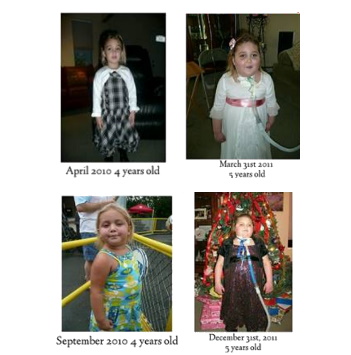
The letters “RO” in ROHHAD stand for rapid onset obesity. Marisa had been below the expected weight for her age at four years old, but in less than a year her weight changed dramatically. Her family described how changes in metabolism made weight management extremely difficult, even with careful attention to food and activity.
DAY 02 / 12Hypothalamic dysfunction
The first “H” stands for hypothalamic dysfunction. The hypothalamus helps regulate appetite, weight, temperature, growth, water and salt balance, sleep, and other important functions. The family explained why disruption of this small part of the brain has such far-reaching effects.
DAY 03 / 12Hypoventilation
The second “H” stands for hypoventilation, a reduction in breathing that can lead to insufficient oxygen and elevated carbon dioxide in the blood. Marisa’s family described how ROHHAD affected her automatic control of breathing.
DAY 04 / 12Autonomic dysregulation
The letters “AD” stand for autonomic dysregulation. The autonomic nervous system helps regulate involuntary functions involving the heart, blood vessels, and internal organs. The original series described how disruption of these functions can affect children with ROHHAD.
DAY 05 / 12Neural crest tumors
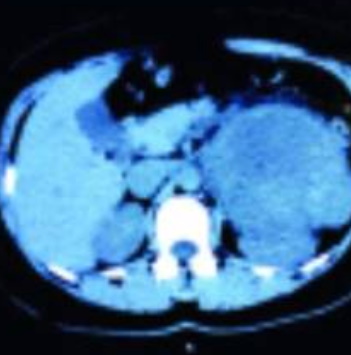
Marisa’s family described her diagnosis and treatment for a neural crest tumor, including removal of a tumor and her adrenal gland when she was four years old. They also explained the importance of continued tumor surveillance.
DAY 06 / 12Limits on everyday activity
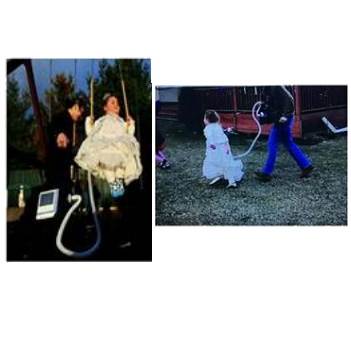
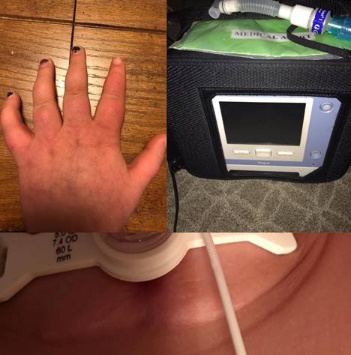
Because Marisa used a tracheostomy and ventilator, physical activities required careful planning and monitoring. Her family described managing the equipment, watching her heart rate and temperature, and monitoring for elevated carbon dioxide.
DAY 07 / 12The need for constant supervision
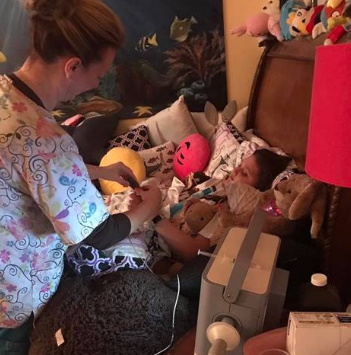
Marisa’s family explained why a parent or nurse needed to remain close by. They described concerns about a blocked tracheostomy tube, ventilator problems, suctioning, medication, and continuous monitoring during sleep, school, and activities.
DAY 08 / 12Daily tracheostomy care
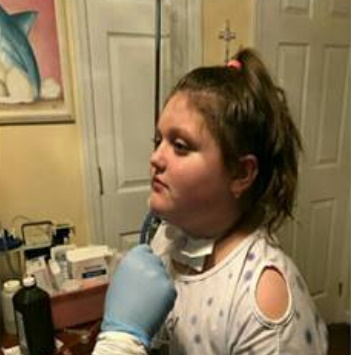
Suctioning and tracheostomy care were part of Marisa’s daily routine. Her family described the time, discomfort, and vigilance involved in clearing mucus and keeping her airway safe.
DAY 09 / 12Dependence on electricity
The family described relying on electrical power for life-sustaining medical equipment. Battery levels, car power, generators, travel arrangements, and unexpected outages all required advance planning.
DAY 10 / 12Illness and medical emergencies
Common illnesses could become especially frightening. Marisa’s family described heightened concerns about respiratory infections, aspiration, oxygen needs, and the complexity of surgery and anesthesia. They also discussed why her medical team needed to understand her individual physiology.
DAY 11 / 12Specialized testing at CAMP
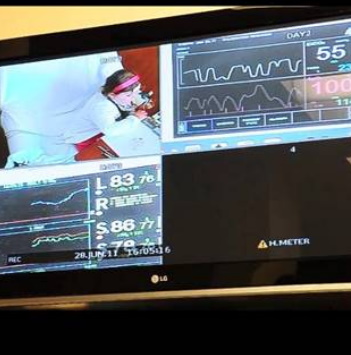
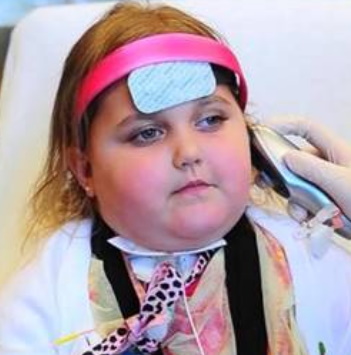
The original series described visits to the Center for Autonomic Medicine in Pediatrics (CAMP) in Chicago. Marisa underwent extensive monitoring and testing to help guide her care, including evaluation of breathing and autonomic function. Her family explained how stressful these visits could be.
DAY 12 / 12Why the fight continues
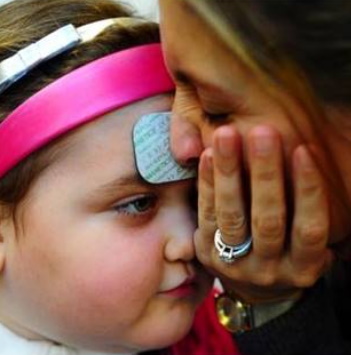
The final day shared the family’s uncertainty about Marisa’s future and their determination to find answers. They asked readers to raise awareness, support research, and help children and families affected by ROHHAD.
For diagnosis and treatment questions, consult qualified medical professionals. Historical family accounts are not a substitute for individualized medical care.